

In today’s world, awareness about environmental and health hazards is more important than ever, especially when it comes to materials that may still exist in older buildings and structures. One such term that has gained attention is “asbestlint,” often associated with fine asbestos fibers that can pose serious health risks. Although the word may not be widely recognized by everyone, its implications are significant, particularly for homeowners, construction workers, and anyone dealing with renovation or demolition projects. Understanding what “asbestlint” is, where it comes from, and how to handle it safely is essential for protecting both personal health and the environment. This comprehensive guide explores the meaning, risks, identification, and safe management of asbestlint to help you make informed decisions.
What Is Asbestlint?
“Asbestlint” generally refers to fine, dust-like particles or fibers derived from asbestos-containing materials. These fibers are extremely small and lightweight, making them easy to become airborne and difficult to detect without specialized equipment. Once released into the air, they can remain suspended for long periods, increasing the likelihood of inhalation.
Asbestos was widely used in construction materials such as insulation, roofing, flooring, and cement products due to its durability and heat resistance. Over time, however, it became clear that exposure to asbestos fibers can be harmful to human health. Asbestlint is particularly dangerous because it represents the most easily inhaled form of asbestos, often released when materials are disturbed, damaged, or deteriorating.
Where Does Asbestlint Come From?
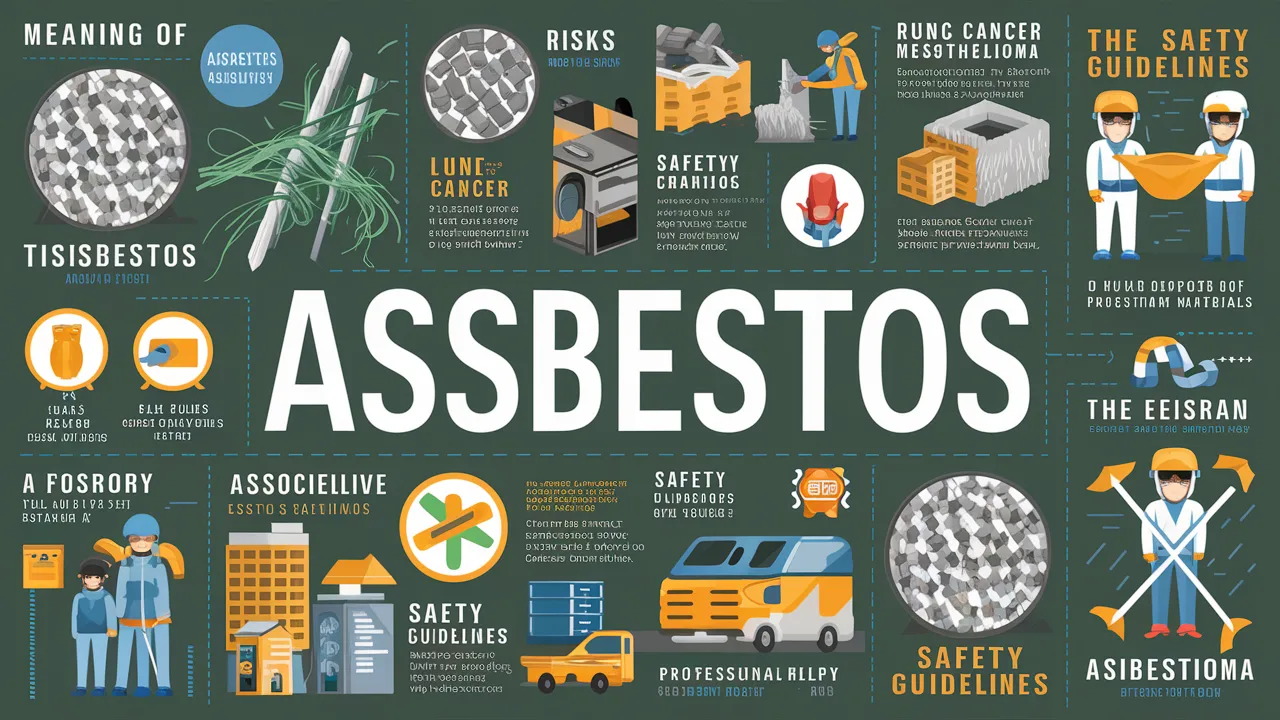
Asbestlint typically originates from older buildings that contain asbestos-based materials. When these materials age, break down, or are disturbed during renovation or demolition, they can release fine fibers into the air. Common sources include insulation around pipes, ceiling tiles, floor coverings, and certain types of wall panels.
In many cases, asbestlint is not visible to the naked eye, which makes it even more hazardous. Activities such as drilling, cutting, sanding, or removing old materials can significantly increase the release of asbestos fibers. This is why strict regulations and safety procedures are in place in many countries to control the handling and removal of asbestos-containing materials.
Health Risks of Asbestlint
Exposure to asbestlint can lead to serious health conditions, particularly when fibers are inhaled over a prolonged period. Once inside the lungs, these fibers can become lodged in tissue and cause inflammation and scarring. Over time, this may result in diseases such as Asbestosis, Mesothelioma, and Lung Cancer.
One of the most concerning aspects of asbestos-related diseases is their long latency period. Symptoms may not appear until decades after exposure, making early detection difficult. This underscores the importance of prevention and proper handling when dealing with materials that may contain asbestos.
How to Identify Asbestlint
Identifying asbestlint can be challenging without professional assistance, as the fibers are microscopic and often mixed with other dust particles. Visual inspection alone is usually not sufficient to confirm the presence of asbestos. Instead, specialized testing conducted by certified professionals is required to determine whether a material contains asbestos fibers.
If you suspect the presence of asbestlint in your home or workplace, it is crucial to avoid disturbing the material. Contacting a qualified asbestos inspector or environmental specialist is the safest course of action. They can collect samples and perform laboratory analysis to provide accurate results.
Safe Handling and Removal
Handling asbestlint requires strict adherence to safety guidelines to prevent exposure. In most cases, removal should only be carried out by licensed professionals who are trained in asbestos abatement procedures. These experts use specialized equipment, protective clothing, and containment methods to ensure that fibers do not spread during the removal process.
Attempting to remove asbestos-containing materials without proper training can increase the risk of exposure and contamination. For homeowners, the safest approach is to leave suspected materials undisturbed and seek professional advice. In some cases, encapsulation—sealing the material to prevent fiber release—may be recommended as an alternative to removal.
Preventing Exposure to Asbestlint
Prevention is the most effective way to reduce the risks associated with asbestlint. This includes regular inspections of older buildings, especially before undertaking renovation or demolition work. Being aware of the materials used in your property and understanding their potential risks can help you take appropriate precautions.
Using protective equipment, following safety regulations, and relying on professional services are essential steps in minimizing exposure. Education and awareness also play a key role in ensuring that individuals recognize the dangers of asbestos and take the necessary measures to protect themselves and others.
Conclusion
“Asbestlint” may not be a commonly discussed term, but its implications are significant when it comes to health and safety. As a form of fine asbestos fibers, it poses serious risks if not handled properly. By understanding its sources, recognizing potential hazards, and following safe practices, individuals can greatly reduce the risk of exposure. Whether you are a homeowner, contractor, or simply someone seeking knowledge, staying informed about asbestlint is an important step toward ensuring a safer environment. In a world where awareness can make all the difference, taking the time to understand and address such risks is both responsible and necessary.
Frequently Asked Questions (FAQ)
1. What does “asbestlint” mean?
“Asbestlint” refers to fine asbestos fibers or dust particles that can become airborne and pose health risks when inhaled.
2. Is asbestlint dangerous?
Yes, exposure can lead to serious health conditions such as asbestosis, mesothelioma, and lung cancer.
3. How can I identify asbestlint?
It cannot be identified visually; professional testing is required to confirm its presence.
4. Can I remove asbestlint myself?
It is not recommended. Removal should be handled by licensed professionals trained in asbestos safety procedures.
5. How can I prevent exposure to asbestlint?
Avoid disturbing suspected materials, use protective measures, and consult professionals for inspection and removal.