
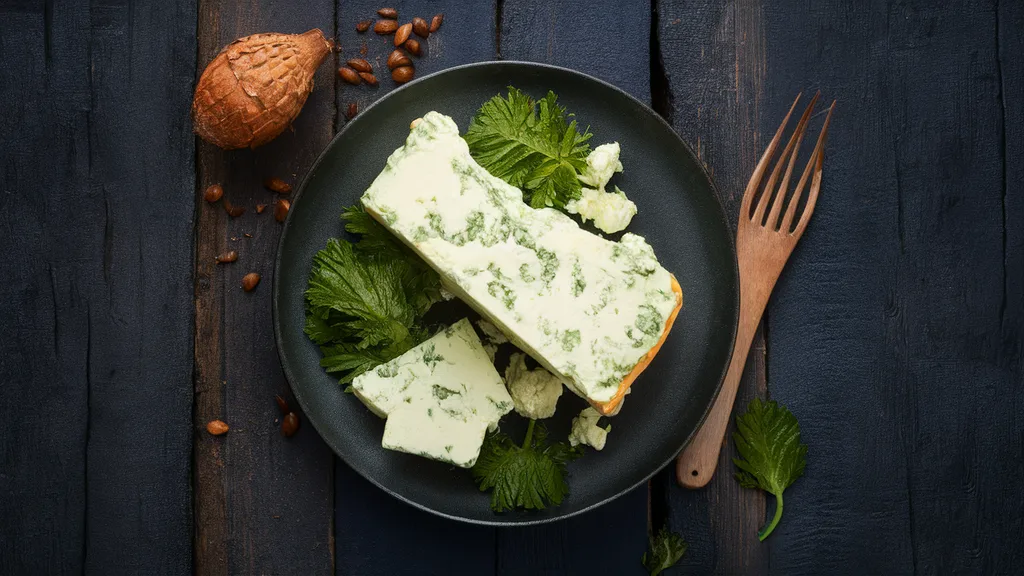

The phrase “green cheese” is one of the most interesting and misunderstood terms in food history and popular culture. Many people encounter the expression through literature, folklore, historical references, or discussions about traditional dairy products and wonder what green cheese actually means. Contrary to popular belief, green cheese does not always refer to cheese that is literally green in color. Instead, the term has carried different meanings throughout history depending on cultural context, food traditions, and language usage.
For centuries, green cheese has appeared in stories, myths, sayings, and culinary traditions. The phrase is especially famous because of the old belief that the Moon was made of green cheese, a humorous expression that became deeply embedded in English folklore. At the same time, green cheese has also referred to young, fresh cheese that has not fully matured through the aging process. These multiple meanings have helped the term remain relevant across generations.
Today, green cheese continues to attract attention from food enthusiasts, historians, language experts, and curious readers. Understanding its origins, production methods, nutritional value, and cultural significance provides valuable insight into both food history and linguistic development. This comprehensive guide explores everything you need to know about green cheese, from its traditional meanings to its role in modern food culture.
What Is Green Cheese?
Green cheese is a term that has historically referred to fresh or newly made cheese that has not undergone extensive aging. In older English usage, the word “green” often meant young, fresh, or immature rather than describing a specific color. Therefore, green cheese originally referred to cheese that was recently produced and still soft in texture.
Unlike aged cheeses that develop stronger flavors over time, green cheese tends to have a mild taste and softer consistency. Fresh cheeses are often consumed shortly after production, making them different from varieties that require months or years of aging.
In some regions, certain cheeses may also appear green due to the inclusion of herbs, spices, or plant-based ingredients. These specialty cheeses have contributed to modern interpretations of the term, although the historical meaning generally referred to freshness rather than color.
Understanding this distinction is important because many misconceptions arise from assuming that green cheese must literally be green.
The History of Green Cheese
The history of green cheese dates back centuries and reflects both agricultural traditions and language evolution. In medieval and early modern Europe, cheese production was an essential part of rural life. Farmers often produced fresh cheeses that could be consumed quickly before aging became necessary for preservation.
The term green cheese emerged as a practical way to describe these young cheeses. Since they had not yet matured, they were considered “green” in the sense of being fresh or newly made.
Over time, the phrase expanded beyond agriculture and entered literature, folklore, and popular culture. Writers and storytellers used green cheese as a familiar concept that audiences could easily understand. As language evolved, the term became associated with innocence, naivety, and humorous exaggeration.
The enduring popularity of green cheese demonstrates how food terminology can become deeply integrated into cultural expression.
Why Is the Moon Associated with Green Cheese?
One of the most famous references to green cheese comes from the old saying that the Moon is made of green cheese. This expression has appeared in English folklore for hundreds of years and was never intended to be taken literally.
The phrase was often used humorously to describe someone who was overly gullible or willing to believe unlikely stories. If a person could be convinced that the Moon was made of green cheese, they were considered extremely naive.
Interestingly, the original phrase referred to fresh cheese rather than green-colored cheese. Over time, many people misunderstood the expression and assumed it referred to a bright green substance covering the Moon.
The saying remains an important example of how language, folklore, and food traditions can intersect in memorable ways.
Types of Green Cheese
Although the traditional meaning refers to fresh cheese, modern interpretations of green cheese may include several varieties.
Fresh Green Cheese
This is the historical form of green cheese. It is newly produced, soft, mild, and consumed shortly after preparation.
Herb-Infused Green Cheese
Some specialty cheeses contain herbs such as basil, parsley, chives, or other green ingredients that create a green appearance and unique flavor profile.
Traditional Regional Varieties
Certain regions produce cheeses that naturally develop green tones due to herbs, spices, or local production techniques. These cheeses often reflect cultural culinary traditions.
Specialty Artisan Green Cheese
Modern artisan cheesemakers sometimes create innovative cheeses using vegetables, herbs, and natural ingredients that contribute green coloration while enhancing flavor.
Green Cheese Production
The production of green cheese generally follows the same initial steps as other cheese-making processes. Milk is combined with cultures and coagulating agents to separate curds from whey. The resulting curds are then processed according to the desired cheese style.
Fresh green cheese is typically consumed shortly after production, meaning it does not undergo extensive aging. This allows the cheese to maintain a soft texture, mild flavor, and high moisture content.
When herbs or plant-based ingredients are incorporated, they are usually added during the mixing stage to distribute flavor evenly throughout the cheese.
Traditional methods often emphasize simplicity, freshness, and natural ingredients, contributing to the unique appeal of green cheese.
Nutritional Value of Green Cheese
Like many dairy products, green cheese can provide valuable nutrients that contribute to a balanced diet. Its nutritional profile depends on the specific ingredients and production methods used.
Fresh green cheese often contains protein, calcium, phosphorus, and essential vitamins that support bone health and overall nutrition. Because it is typically less aged, it may also have a slightly different moisture and sodium content compared to harder cheeses.
Protein helps support muscle maintenance and repair, while calcium contributes to strong bones and teeth. Dairy products also provide various nutrients important for overall health and wellness.
As with all foods, moderation and balanced dietary habits remain important when incorporating cheese into daily meals.
Culinary Uses of Green Cheese
Green cheese can be used in numerous culinary applications. Its mild flavor and soft texture make it suitable for both traditional and modern recipes.
Fresh green cheese is often enjoyed with bread, crackers, fruits, and vegetables. It can also be incorporated into salads, sandwiches, spreads, and appetizers.
Herb-infused varieties add unique flavors to pasta dishes, baked goods, and gourmet recipes. Chefs frequently appreciate fresh cheeses because they provide versatility and complement a wide range of ingredients.
The growing popularity of artisan foods has further expanded the culinary possibilities associated with green cheese.
Green Cheese in Culture and Literature
Green cheese occupies a unique place in cultural history because it exists at the intersection of food, folklore, and language. The famous Moon-related saying remains one of the most recognizable references, but the term also appears in literature, poetry, and educational discussions.
Writers often use green cheese metaphorically to represent innocence, simplicity, or unrealistic beliefs. These symbolic meanings have helped preserve the phrase long after its original agricultural context became less familiar to modern audiences.
The cultural significance of green cheese highlights how everyday foods can influence storytelling, humor, and collective imagination.
Benefits of Green Cheese
Green cheese offers several benefits depending on the variety and ingredients involved. Fresh cheeses often provide high-quality protein, calcium, and essential nutrients that support overall health.
The mild flavor makes green cheese accessible to a wide range of consumers, including those who prefer less intense dairy products. Fresh cheese varieties may also be easier to incorporate into diverse recipes and meal plans.
Additionally, artisan green cheeses featuring herbs and natural ingredients can introduce unique flavors and culinary experiences.
These benefits contribute to the continued popularity of fresh cheese products around the world.
Conclusion
Green cheese is a fascinating term that combines food history, cultural tradition, and linguistic evolution. Historically, it referred to fresh, young cheese that had not yet matured, rather than cheese that was literally green in color. Over time, the phrase became deeply connected to folklore, particularly the famous saying that the Moon is made of green cheese.
Today, green cheese remains an interesting topic for food enthusiasts, historians, and language lovers alike. Its connection to traditional dairy production, nutritional value, culinary versatility, and cultural symbolism ensures its lasting relevance. Understanding green cheese helps illuminate not only the history of food but also the ways language and culture evolve together over time.
Whether explored through its culinary uses, nutritional benefits, or folkloric associations, green cheese continues to be a memorable and meaningful part of human history and food culture.
Frequently Asked Questions (FAQ)
What is green cheese?
Green cheese traditionally refers to fresh, young cheese that has not undergone extensive aging.
Why is it called green cheese?
Historically, the word “green” meant fresh or immature rather than referring to color.
Is green cheese actually green?
Not necessarily. Most traditional green cheese is not green in color. The term originally referred to freshness.
Why do people say the Moon is made of green cheese?
The phrase comes from folklore and humor, often used to describe someone who is gullible or easily fooled.
Is green cheese healthy?
Like many cheeses, green cheese can provide protein, calcium, and other essential nutrients when consumed as part of a balanced diet.
How is green cheese made?
It is produced using standard cheese-making methods but is typically consumed shortly after production rather than aged.
What are the uses of green cheese?
Green cheese can be eaten fresh, used in salads, sandwiches, spreads, appetizers, and a variety of culinary dishes.